What to see in Stockholm?
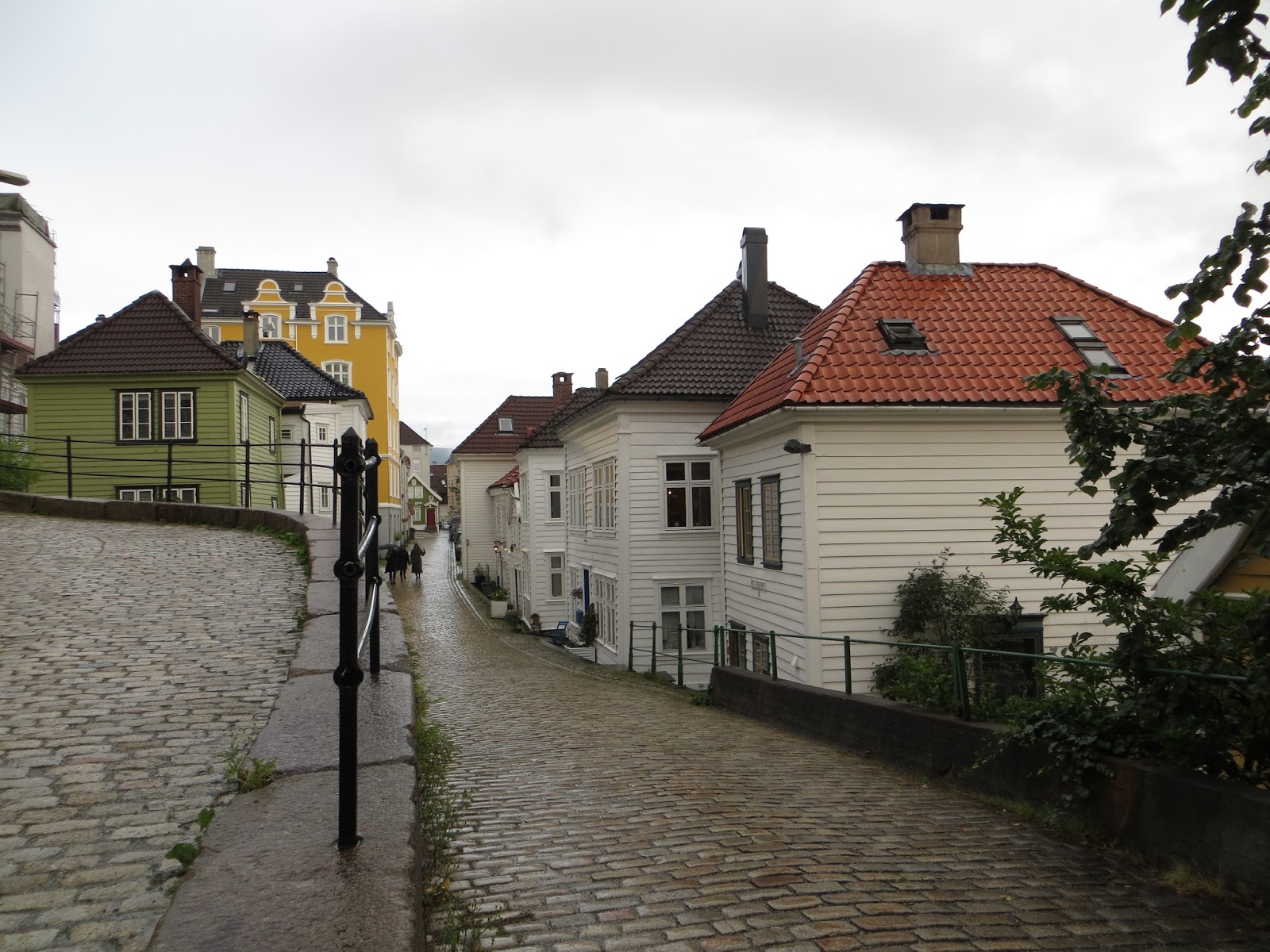
1. Old Town
(Gamla Stan above & right) – founded in 1252, the Old Town is one of the largest and best
preserved medieval city centers in Europe. It is located on Stadsholmen Island.

2. Royal Palace – is the combination of royal residence, workplace and culture-historical monument open year round to visitors. It is located on Stadsholmen Island.

2. Royal Palace – is the combination of royal residence, workplace and culture-historical monument open year round to visitors. It is located on Stadsholmen Island.
3. City Hall (below) – is
open to public through guided tours only. It is home to the Nobel Prize award
ceremony. (The Nobel Peace Prize award ceremony is in Oslo every year on
December 10th). The banquet is held in the magnificent Golden Hall
composed of 18 million gold mosaic tiles (below). The tower offers a fantastic view of
the city. It stands on the eastern tip of Kungsholmen Island (close proximity
to Stadsholmen Island).


Djurgarden – is an island in the center of the
city. It is home to historical buildings, monuments, museums, galleries and
more. Below listed attractions are located on this island.
4. Vasa Museum –
the Vasa ship capsized and sank in Stockholm in 1628. After 333 years on the
sea bed, the warship was salvaged. Vasa is the world’s only preserved 17th
century ship and the most visited museum in Scandinavia.


5. Skansen – is the world’s first open-air museum, founded in 1891. Here you can stroll through five centuries of Swedish history, from north to south, with a real sense of the past all around in the historical buildings and dwellings, peopled by characters in period dress.
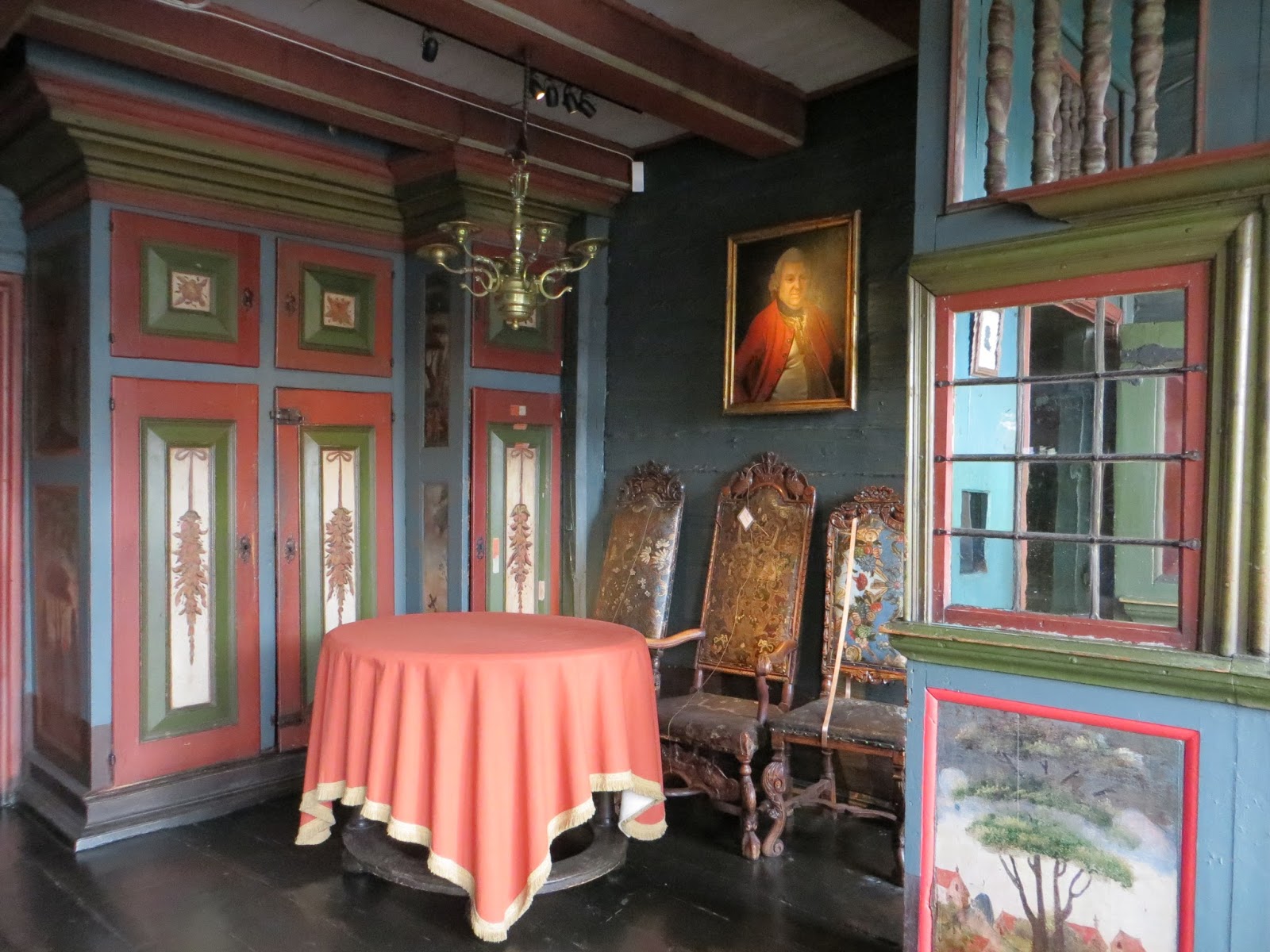
6. Rosendal Palace – was built for King Karl XIV Johan and is an outstanding example of Swedish Empire style. Its furniture, textiles and fixtures create an impressive overall effect, designed and manufactured by Swedish artists and artisans.
6. Rosendal Palace – was built for King Karl XIV Johan and is an outstanding example of Swedish Empire style. Its furniture, textiles and fixtures create an impressive overall effect, designed and manufactured by Swedish artists and artisans.
7. Nordic Museum –
is Sweden’s largest museum of cultural history. It is home to variety of
exhibitions on fashion and textiles, furniture and interiors, china and table
settings, folk art, jewelry, photography, trends and traditions.
8. Waldemarsudde
– is Prince Eugene’s former home. A flower and sculpture garden surrounds the
museum.
9. Thiel Gallery
– houses a unique collection of works of art from the late 19th
century and early 20th century by leading artist of the period.
10. Drottningholm Palace – is Sweden’s best preserved royal palace constructed in the 17th
century, the permanent residence of the royal family and one of Stockholm’s
three World Heritage Sites. The palace features magnificent salons, a beautiful
park, a unique palace theater and a Chinese Pavilion. The Drottningholm Palace
Theater is the best preserved 18th century theater in Europe, and
the only one in the world that still uses the original stage machinery on a
regular basis. Theater’s guided tours and performances are during the summer
only. The palace is opened year round. It is located in Drottningholm on the
Lovon Island, about 45 minutes by boat.
Where to stay in Stockholm?
Best Western is a good option and has a few locations.
Hostels are another good and cheaper option. There are a few located on
the island of Kungsholmen and Stadsholmen. So you are close to all the
attractions.
Where to go from Stockholm?

1. Mariefred – is
an idyllic little town with a majestic Gripsholm Castle set at the shore of Lake Malaren. The castle hosts
collections of furniture, handicrafts and interiors from four centuries,
including Gustav III’s theater and the Swedish Portrait collection. Built by
Gustav Vasa in 1537. It is about a three hour boat trip across Lake Malaren.
2. Sigtuna – is Sweden’s
first town. It was founded in AD 980, in the final century of Viking times. It
is also located at the shore of Lake Malaren. This pedestrian friendly charming
town offers medieval churches, wooden buildings, and rune stones. It is located
45 minutes north of Stockholm. It can be reached by train, bus, or boat from
the center of Stockholm. Below three castle/palaces are close to Sigtuna.
3. Skokloster Castle – is one of the world’s greatest baroque castles set in a beautiful
natural setting by Lake Malaren near Arlanda. The castle’s interior from the
mid 17th century has been kept completely intact.
4. Steninge Palace – the baroque style palace was inspired by a French Chateau de
Vaux-le-Vicomte, and has a reputation in Sweden as one of the most elegant
examples of Baroque mansions. The palace was completed in 1705.
5. Rosersberg Palace – is a royal residence with furnishings intact from the reigns of Karl
XIII and Karl XIV Johan. It has a wealth of well-preserved, unique textiles
from the late Gustavian 1700s to the Empire style of the 1800s.
6. Uppsala – is a
famous medieval university city, boasting amazing history. Even though it is
the fourth largest city in Sweden, it still has a laid-back feel. The Old Town
offers winding streets with the magnificent 13th century cathedral
and the University Museum (Gustavianum). It is an easy 70-km drive or train
trip northwest of Stockholm.
7. Birka – on Bjorko
Island is another of Sweden’s oldest towns. It was a Viking settlement
established in the 8th century. It offers wealth of ancient remains.
During summer, boat tours depart from the dock at City Hall.
8. Copenhagen, Denmark – by SJ High-Speed train http://www.eurail.com/europe-by-train/high-speed-trains/sj
10. Helsinki, Finland – 1 hr flight or by ferry about 16 hrs http://www.directferries.com/stockholm_helsinki_ferry.htm
11. Tallinn, Estonia – 1 hr flight or by ferry about 16 hrs
12. Riga, Latvia -
1 hr flight or by ferry about 16 hrs